
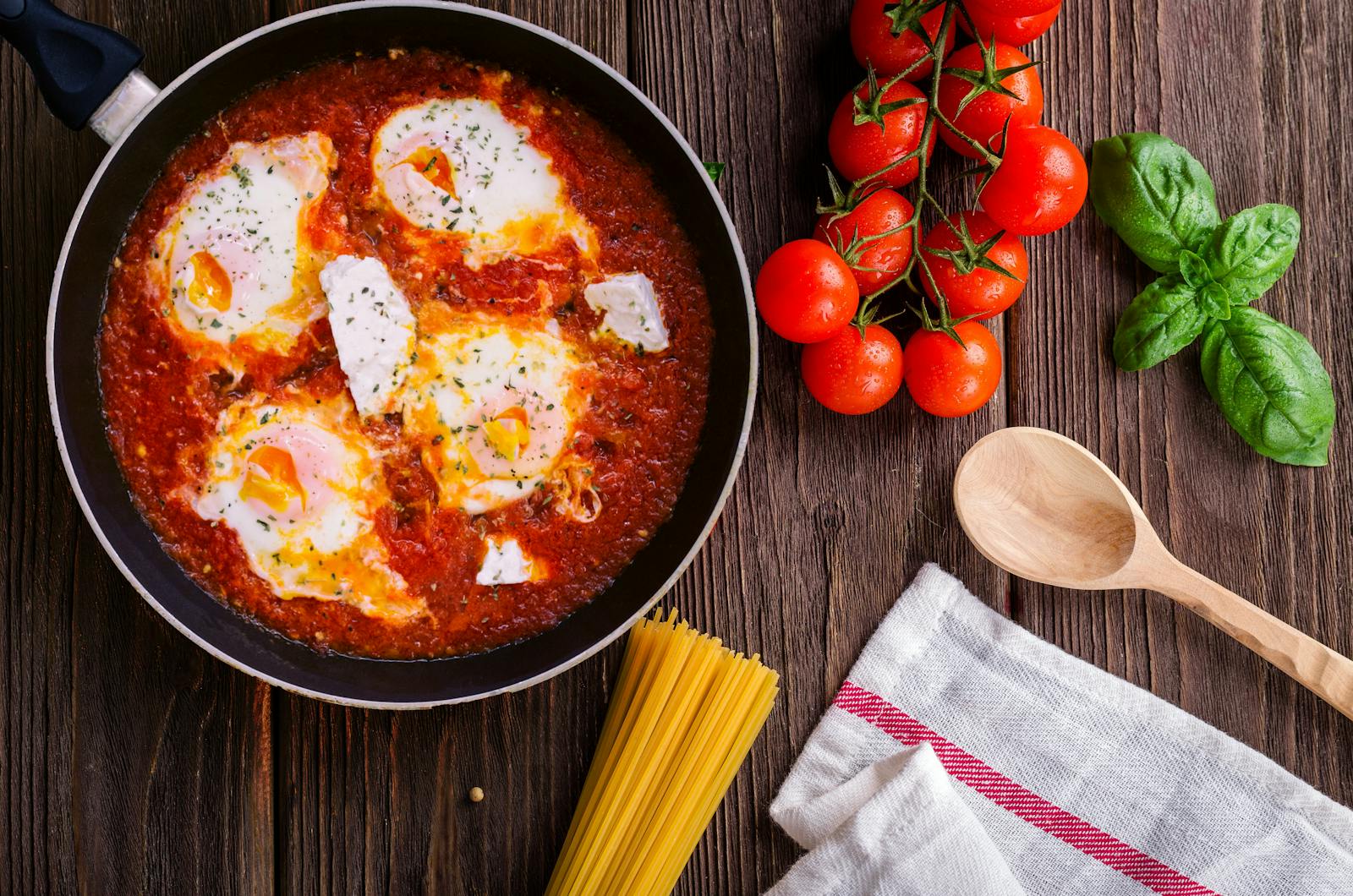
Cooking as a hobby offers a creative and rewarding way to explore food while improving your health and well-being. It allows you to develop practical skills, experiment with flavors, and enjoy the satisfaction of homemade meals. To start, gather basic kitchen tools, find simple recipes online or in cookbooks, and focus on enjoying the process of learning.
Cooking
as a hobby
Reviewed by:
Related Hobbies: Baking • Gardening • Italian Cooking • Making Ice Cream • Mixing Cocktails • Wine Appreciation
“This is my invariable advice to people: Learn how to cook — try new recipes, learn from your mistakes, be fearless, and above all have fun!”
My Life in France: The life story of Julia Child
Helpful content to get started
The page is curated to inspire and help you get started with cooking as a hobby.
Overwhelmed? Play a random video or podcast to start getting familiar with cooking.
We strive for accuracy, but errors may occur. Always use your judgment. Refer to the provided resources for further research.
Videos
Short visual inspiration.
More videos
Podcasts
Play an episode while exploring the page.
More podcasts
“…no one is born a great cook, one learns by doing.”
My Life in France: The life story of Julia Child
Terms
Basic lingo for orientation.
Cooking Techniques
- Bake: Cook food in an oven using dry heat.
- Boil: Heat liquid until bubbles rise and break the surface.
- Roast: Cook food uncovered in dry heat, typically in an oven.
- Sauté: Cook quickly in a small amount of fat over high heat.
- Simmer: Cook the liquid just below the boiling point with gentle bubbles.
- Steam: Cook food using steam without direct contact with water.
Preparation Terms
- Chop: Cut food into small pieces.
- Dice: Cut food into uniform cubes.
- Grate: Shred food into fine pieces using a grater.
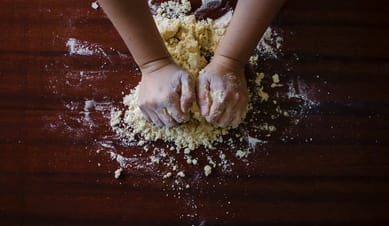
- Knead: Work the dough by pressing, folding, and stretching to develop the gluten.
- Mince: Cut food into very small pieces, smaller than diced.
- Mise en Place: Prepare and organize all ingredients before cooking.
Sauces and Mixtures
- Liaison: A mixture of egg yolks and cream used to thicken sauces.
- Mirepoix: A mix of chopped carrots, celery, and onions for flavoring soups and sauces.
- Roux: A mixture of equal parts butter and flour used as a thickener.
Cooking Styles
- Au Gratin: Bake with cheese and breadcrumbs on top.
- Au Jus: Serve meat with its natural juices as sauce.
- Caramelize: Heat sugar or carbohydrates until they brown.
Term Videos
First Steps
How to break the ice and make a start. One Aha! moment is all you need.
- Start with essential kitchenware (which you likely already have), a recipe, and ingredients—until you’re confident enough to cook intuitively.
- If you’re missing a piece of kitchenware, don’t worry just yet. Choose your first recipe first, and only get what’s actually required.
- Finding a recipe and ingredients can feel overwhelming at first. To simplify, try a meal kit—a box with pre-portioned ingredients and a step-by-step recipe delivered to your door.
- Don’t worry about subscriptions—you’re just looking for one “Aha!” (or “Yum!”) moment to spark your passion.
- Once you’re ready, explore easy recipes on websites, cookbooks, apps, or YouTube.
- Don’t be discouraged if your first dishes aren’t perfect—they probably won’t be. As Julia Child said, “No one is born a great cook, one learns by doing.”
First Steps Videos
The gut microbiome is a vast community of microorganisms living in our digestive system, playing a crucial role in digestion, immune function, and nutrient absorption. Emerging research shows it’s also deeply connected to mental health through the gut–brain axis—a communication network between the gut and the brain. A healthy gut microbiome can positively influence mood, reduce anxiety, and support overall well-being. Mindful cooking at home can cultivate a healthy gut microbiome.
Products
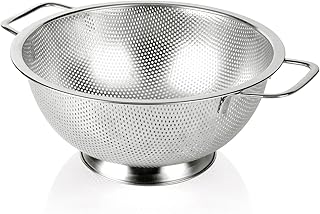
Essentials to have.
Kitchenware
Product Demos
More product demos
How-Tos
Step-by-step tutorials.
How-To Videos
More how-to videos
“…cooking has the power to strengthen social, familial, and even romantic bonds and is a mechanism for people to express or connect with their heritage or identity. Moreover, home meal preparation can be emotionally rewarding, as it encourages domestic chefs to think creatively and hone their skills and provides a tangible sense of accomplishment. Such emotional and cognitive benefits have led researchers to assert that cooking is not merely a health-related behavior but one that represents ‘human flourishing.'”
Gallup-Ajinomoto Group Cooking Enjoyment and Wellbeing
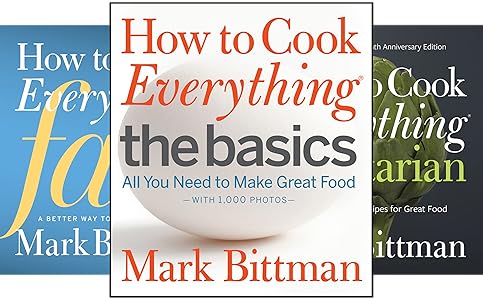
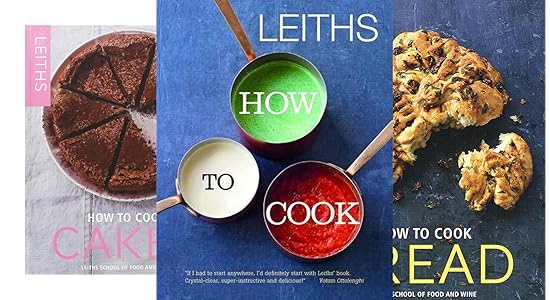
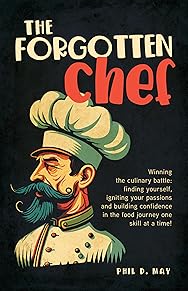
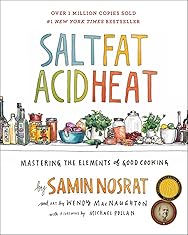
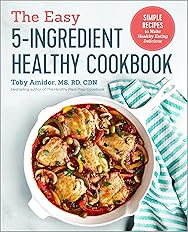
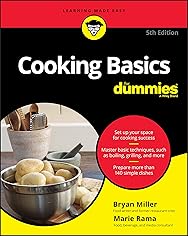
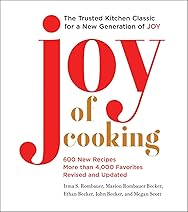
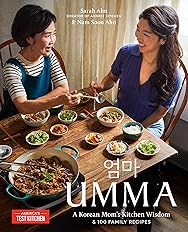
Books
Get read-y.
Articles
Further reading.
Benefits of Cooking
- Cooking and Eating Together: Key Ingredients for Wellbeing?
- Feeling Down? Scientists Say Cooking and Baking Could Help You Feel Better | Smithsonian Magazine
- Home cooking: Good for your health – Harvard Health
- Is cooking at home associated with better diet quality or weight-loss intention? | Public Health Nutrition | Cambridge Core
- More frequent cooking at home is associated with higher Healthy Eating Index-2015 score | Public Health Nutrition | Cambridge Core
- Scientifically Supported Links Between Cooking and Well-being | Nature
- The links between cooking and well-being | Nature
- Well-Being and Cooking Behavior: Using the Positive Emotion, Engagement, Relationships, Meaning, and Accomplishment (PERMA) Model as a Theoretical Framework | Frontiers
- Wellbeing Through Cooking: Global Insights Into Cooking Enjoyment and Eating Together | Gallup-Ajinomoto Group
Mindful and Intuitive Cooking and Eating
Mindful Eating
- Mindful Eating – The Nutrition Source
- Mindful Eating: The Art of Presence While You Eat – PMC
- Mindful eating: what we know so far – PubMed
Intuitive Eating
- The radical practice of eating what you want | Well actually | The Guardian
- What is intuitive eating and how does it work? – BBC Food
- What Is Intuitive Eating?
Mindful Cooking
- Mastering the art of mindful cooking – Headspace
- The Joy of Mindful Cooking – Tricycle: The Buddhist Review
- What Is Mindful Cooking And How To Practice It – Headspace
Intuitive Cooking
audio and Video Articles
More video articles
Focusing on the process of preparing food helps avoid distractions and negative self-talk, fostering mental well-being.
Websites
Go-tos for information.
Recipe Websites
- Allrecipes | Recipes, How-Tos, Videos and More
- Cook Well: Learn, Cook, Eat.
- Food Mood — Google Arts & Culture
- Good Food | Recipes and cooking tips | Good Food
- NYT Cooking – Recipes and Cooking Guides From The New York Times
- Recipes, Menu Ideas, Videos & Cooking Tips | Epicurious
- Serious Eats
- Simply Recipes – Less Stress. More Joy
- The Kitchn | We’re the secret ingredient for home cooks.
- The Spruce Eats – Make Your Best Meal
- Trusted Recipes and Insights for Home Cooks | America’s Test Kitchen
Food Blogs
Website Previews
More website previews
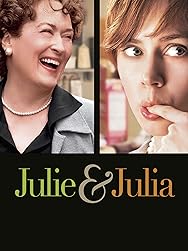
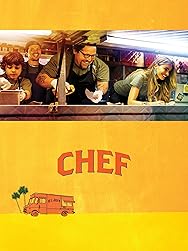
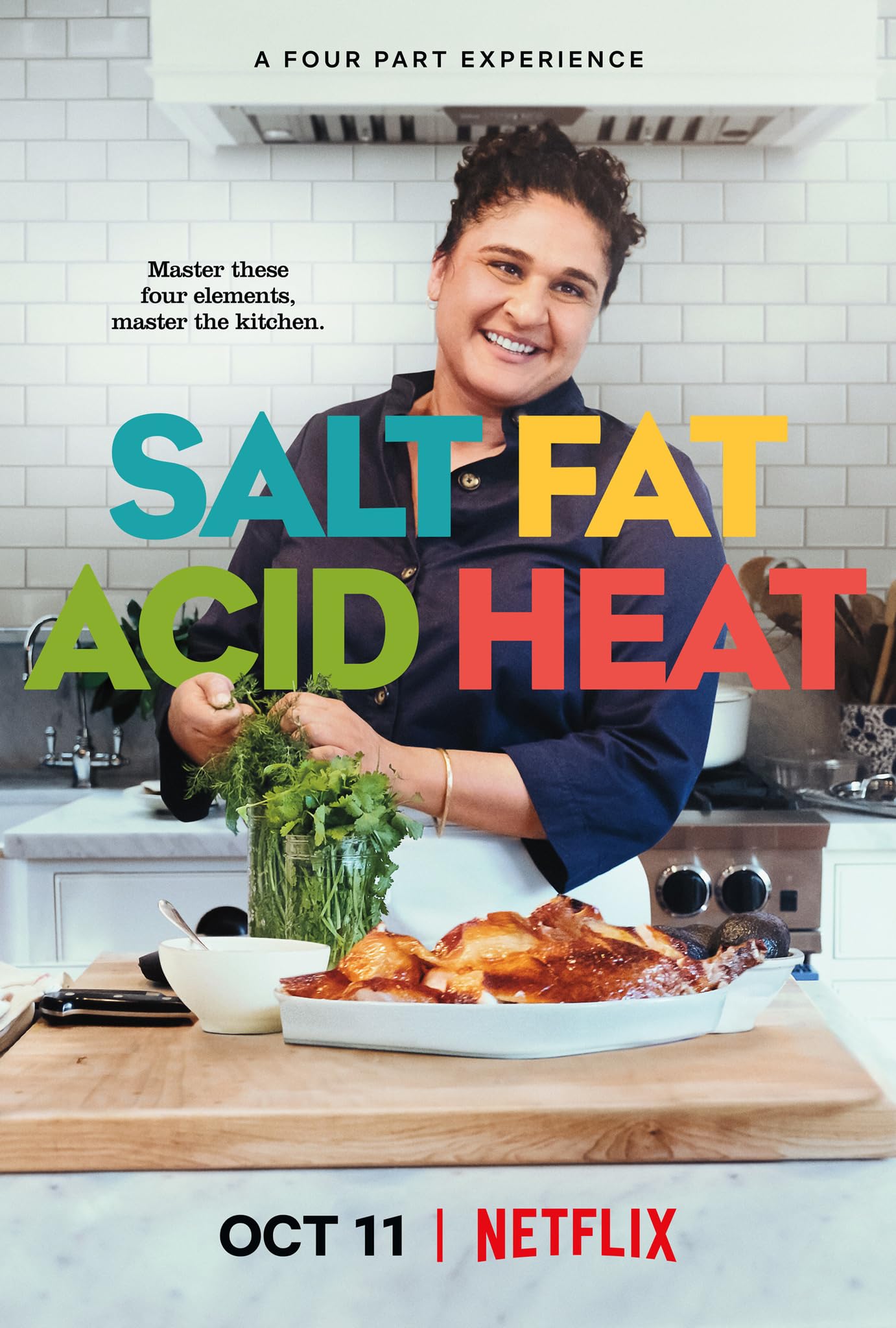
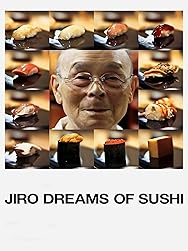
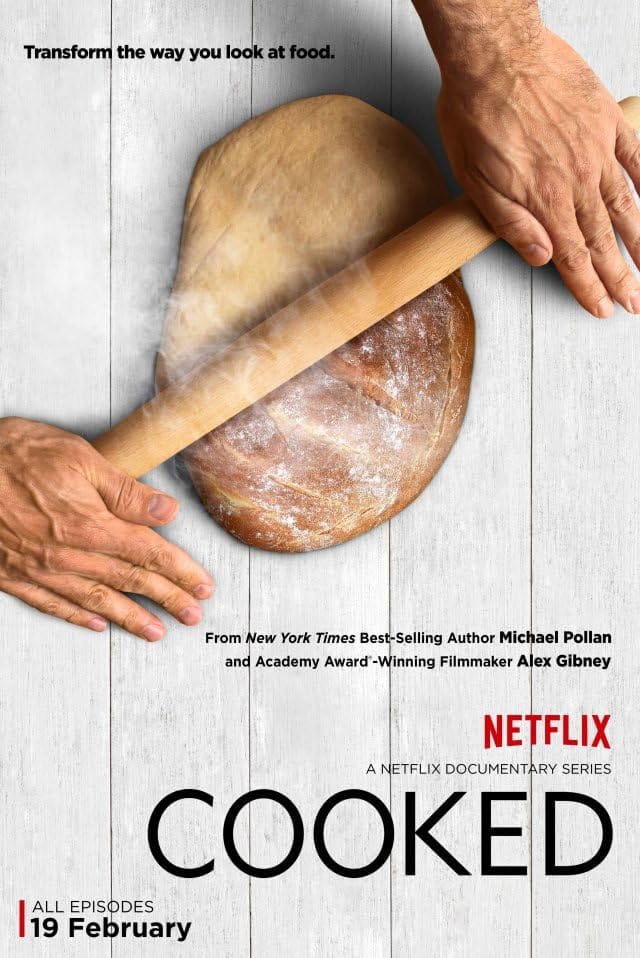
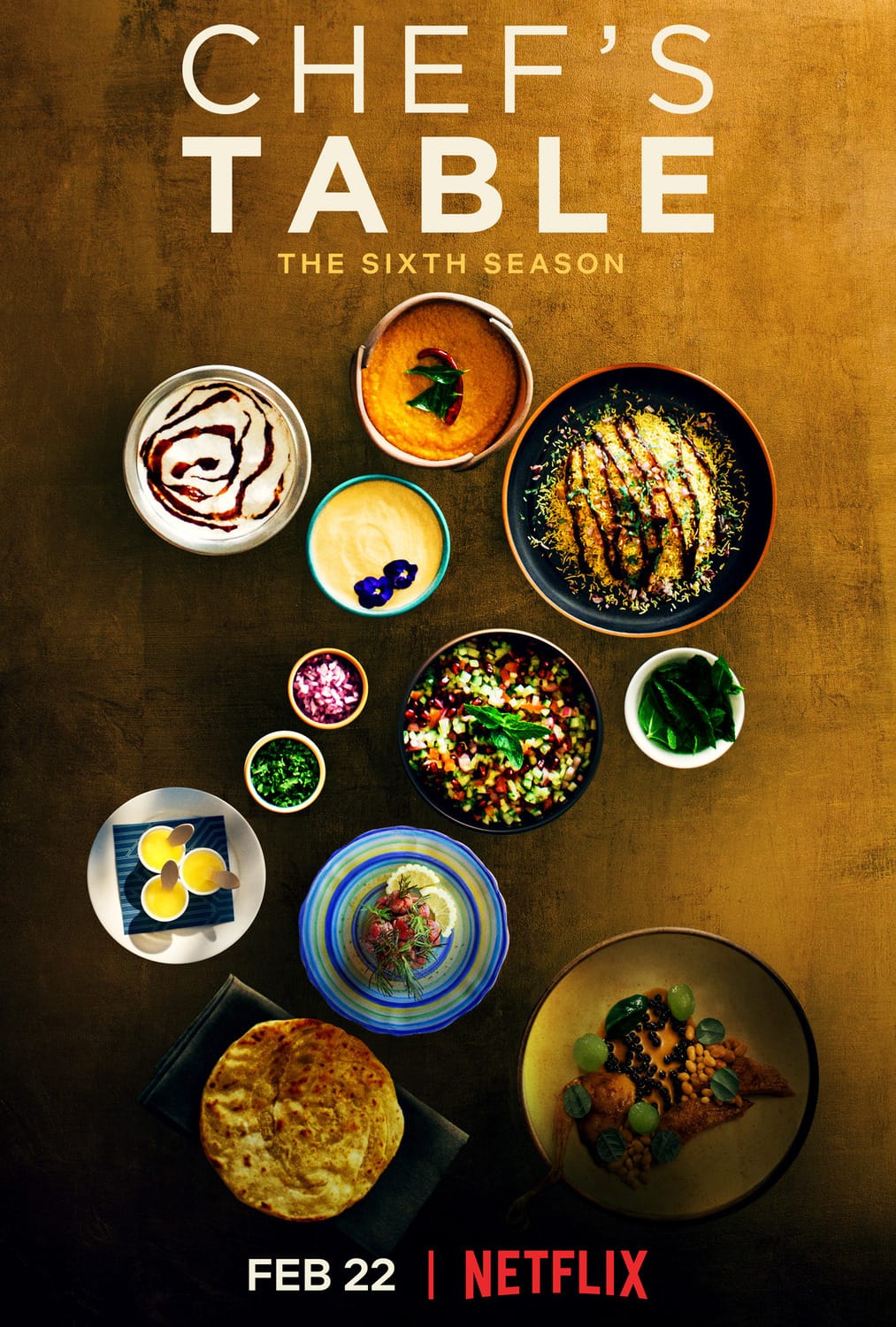
Movies & TV
Nothing like a good film or a show for inspiration.

Documentaries

TV Shows

Movie and TV Trailers
More movie trailers
“Cooking is one of the great gifts you can give to those you love. It says ‘you’re important enough to me to spend the time and effort to cook for you.'”
Cooking for Jeffrey: A Barefoot Contessa Cookbook, by Ina Garten
FAQS
Get a clue.
Q: Do I need to be a good cook to start cooking as a hobby?
A: No, you don’t need to be a good cook to start. Cooking as a hobby is about learning, experimenting, and enjoying the process.
Q: What are the benefits of cooking as a hobby?
A: Cooking boosts creativity, reduces stress, improves your diet, and can even strengthen social connections through shared meals.
Q: What equipment do I need to start cooking?
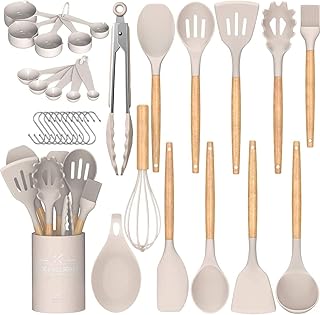
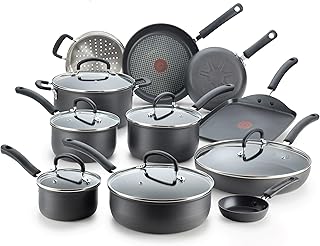
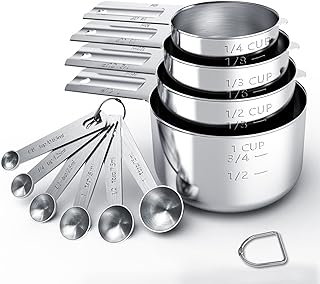
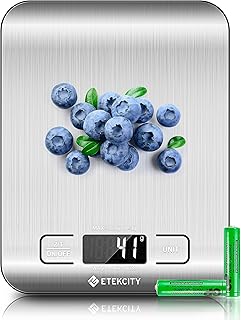
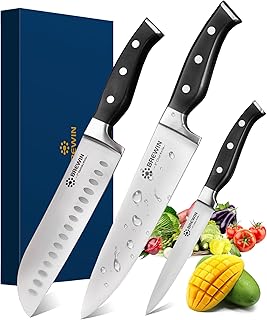
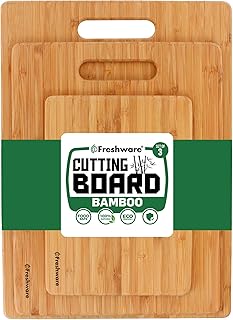
A: You only need a few basics to get started: a sharp knife, cutting board, pot or saucepan, frying pan, stirring spoon, and a measuring set. You can build your kitchen toolkit over time.
Q: Do I need to follow recipes exactly?
A: Not always. Recipes are great for learning, but as you grow more confident, you can experiment and adjust to your taste or available ingredients.
Q: What should I cook first as a beginner?
A: Start with simple recipes like pasta dishes, stir-fries, or one-pot meals. Look for recipes labeled “beginner-friendly” or with few ingredients.
Q: Is cooking at home cheaper than eating out?
A: Usually, yes. While there’s an upfront cost for ingredients and tools, cooking at home is generally more budget-friendly than dining out or ordering takeout regularly.
Q: Do I need expensive equipment to start cooking as a hobby?
A: No, you don’t need to buy everything at once. You likely already have some basic kitchen essentials. You can start with those and gradually acquire more specialized tools as you progress and discover what kind of cooking you enjoy most.
Q: How can I learn to cook better?
A: You can learn new techniques through cookbooks, online recipes, cooking classes, or YouTube tutorials. Cooking is a skill that improves with time and curiosity.
Q: What if I make mistakes?
A: Totally normal! Mistakes are part of the learning process. Every cook burns something or messes up a recipe now and then—just keep going.
Q: I don’t have much time. Can cooking still be a hobby?
A: Yes! You can tailor your cooking hobby to fit your schedule. Start with quick and easy recipes, or dedicate a bit more time on weekends for more involved dishes. Even short cooking sessions can be enjoyable and rewarding.
FAQ Videos
More FAQ videos
Apps
Smart start.






App Trailers
More app trailers
“We thus conclude that cooking might be an under-researched strategy for potentially providing meaning, purpose, and positive reinforcement to those experiencing mental health concerns through engagement in a fulfilling activity.”
Well-Being and Cooking Behavior: Using the Positive Emotion, Engagement, Relationships, Meaning, and Accomplishment (PERMA) Model as a Theoretical Framework | Frontiers
Courses
Get smart.
Video courses and trailers
More video courses and trailers
Community & Near You
Get together.
Related Videos
Cooking teaches patience, organization, and problem-solving skills that can be applied in other areas of life, such as work or hobbies.
Tips
Additional advice for beginners.
Video Tips
Preparing meals at home gives you control over ingredients and portion sizes, leading to better nutrition and mindful eating habits.
Related Hobbies
Explore related hobbies.




Additional Information
Hobby attributes.
| Attributes | Value |
|---|---|
| Activities | Creating, Learning, Observing, Relaxing, Socializing, Volunteering |
| Fields | Arts, Crafts, Environment, Food and Drink, History and Culture, Personal Development, Plants, Science and Technology, Sustainability, Wellbeing |
| Locations | |
| Participants | |
| Skills | Adaptability, Analytical Thinking, Attention to Detail, Attention to Health, Concentration, Creativity, Cultural Awareness, Decision-making, Fine Motor Skills, General Knowledge, Innovation, Memory, Mindfulness, Multitasking, Organizational Skills, Patience, Perseverance, Planning, Problem Solving, Research, Resourcefulness, Self-esteem, Social Skills, Time Management |
Feedback
We rely on your feedback.
Thank you!
Want to discuss something?